
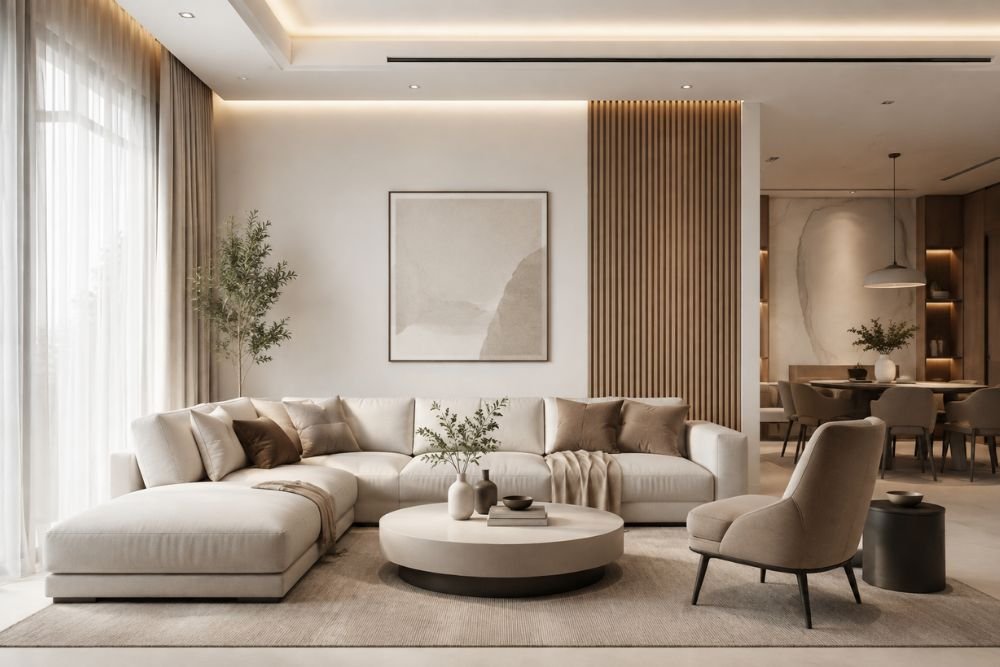
Planning a home in Dubai requires more than selecting attractive furniture and finishes. A successful residential interior design Dubai project should balance functionality, comfort, aesthetics, climate considerations, and the specific needs of the people using the space. Whether it is an apartment, townhouse, or villa, careful planning helps homeowners create interiors that remain practical while reflecting their lifestyle and personal preferences.
Start With the Way You Use Your Home
The first step in any residential interior design Dubai project is to understand how each room will be used. Consider daily routines, family size, storage requirements, entertaining habits, work needs, and privacy.
For example, an open-plan living area may suit a family that regularly hosts guests, while a dedicated study can be more useful for homeowners who work remotely. Instead of beginning with colours or furniture, define the purpose of every space. This approach creates a stronger foundation for design decisions.
Plan the Layout Before Selecting Finishes
A functional layout improves movement and makes better use of available floor space. Professional residential interior designers in Dubai typically assess room dimensions, circulation paths, natural light, doors, windows, and existing architectural features before developing a layout.
Furniture should not block movement or make rooms feel crowded. At the same time, important areas such as kitchens, dining spaces, bedrooms, and bathrooms should remain easy to access. A well-planned layout also allows electrical points, lighting, air-conditioning requirements, and built-in storage to be considered early.
Consider Dubai’s Climate and Lifestyle
Dubai’s climate makes material selection an important part of residential planning. Strong sunlight, heat, dust, and air-conditioning can influence the performance and maintenance requirements of interior materials.
For home interior design Dubai projects, homeowners should consider durable flooring, easy-to-maintain surfaces, appropriate window treatments, and finishes that can withstand regular use. Shading and lighting should also work together to manage glare while maintaining a comfortable indoor environment.
The goal is not simply to select premium materials. Instead, materials should suit the property’s location, level of use, maintenance expectations, and long-term requirements.
Build Storage Into the Design
Storage is one of the most important elements of functional residential interiors. Poorly planned storage can quickly make even a well-designed home appear cluttered.
Built-in wardrobes, concealed cabinets, kitchen storage systems, media units, and customised shelving can help homeowners use available space efficiently. Storage should be planned according to what residents actually need to store rather than added as an afterthought.
In bedrooms, for instance, wardrobe interiors can be organised around clothing, accessories, luggage, and seasonal items. Similarly, kitchens require dedicated solutions for appliances, cookware, groceries, and everyday equipment.
Create a Practical Lighting Strategy
Lighting affects both usability and atmosphere. A functional home should combine ambient, task, and accent lighting rather than relying on a single central fixture.
Living areas may require flexible lighting for different activities, while kitchens benefit from focused illumination over work surfaces. Bedrooms generally need softer lighting, with additional task lighting where required.
Natural light should also influence the placement of furniture and window treatments. A thoughtful lighting plan can improve visual comfort and make rooms feel more spacious without relying excessively on decorative elements.
Select Finishes Based on Function
A visually appealing material may not always be the most suitable choice for a particular room. Flooring, countertops, wall finishes, cabinetry, and fabrics should be selected according to durability, cleaning requirements, moisture exposure, and frequency of use.
This consideration is especially relevant to villa interior design Dubai, where larger floor areas and multiple functional zones can create different material requirements throughout the property.
High-traffic areas may require highly durable surfaces, while bedrooms and private spaces can accommodate softer and more decorative finishes. Consistency between materials can create visual continuity without making every room identical.
Balance Personal Style With Long-Term Value
A residential interior should reflect its occupants without becoming difficult to update. Homeowners can introduce personality through artwork, furniture, accessories, lighting, and selected feature finishes while maintaining a practical base palette.
This is where experienced residential interior designers in Dubai can add value. They can help translate personal preferences into a cohesive design while considering proportions, functionality, materials, and technical requirements.
Integrate Technology Early
Smart-home features are increasingly relevant to modern Dubai residences. Lighting controls, automated curtains, climate management, security systems, entertainment solutions, and energy monitoring can be incorporated into the design.
Technology should be planned during the early stages rather than added after completion. This allows wiring, control points, equipment locations, and storage requirements to be coordinated with the overall interior.
Work With an Integrated Design Approach
A successful residential interior design Dubai project requires coordination between design, materials, services, procurement, and execution. Changes made late in the process can affect budgets, schedules, and finished results.
MEAD approaches interior projects with attention to both design intent and practical execution. As an EPC and interior design firm in Dubai, MEAD works across construction and custom interior solutions, allowing functional requirements to be considered alongside the wider project.
Final Thoughts
Planning a functional home begins with understanding how the property will be used. From layout and storage to lighting, materials, climate response, and technology, every decision should support everyday living.
Effective home interior design Dubai solutions do not depend solely on visual appeal. They combine practical planning with durable materials, efficient space use, and a design language that suits the homeowner. With the right planning process and professional guidance, Dubai homes can achieve a balance between comfort, functionality, and lasting design value.
